
Your team

Meet the Light Treatment Team

The Plastic Surgery & Aesthetics Medical Center at Chongqing West District Hospital is led by four consultants working inside a tertiary general hospital. Ke He, MD, is responsible for the medical review of this site and performs the light and laser treatments it compares. All three parts of this decision are represented on the team: Dr. Yongbo Jia holds the dermatological assessment, including the skin conditions and medicines that must settle or change before light is used, Dr. Shaoliang Wang the hospital-level care for the rare burn or scar that needs it and the face that no device will change, and Dr. Tongchun Mao the surgical alternative when looseness rather than colour is the real finding.

Specialist profiles

Who reviews this content

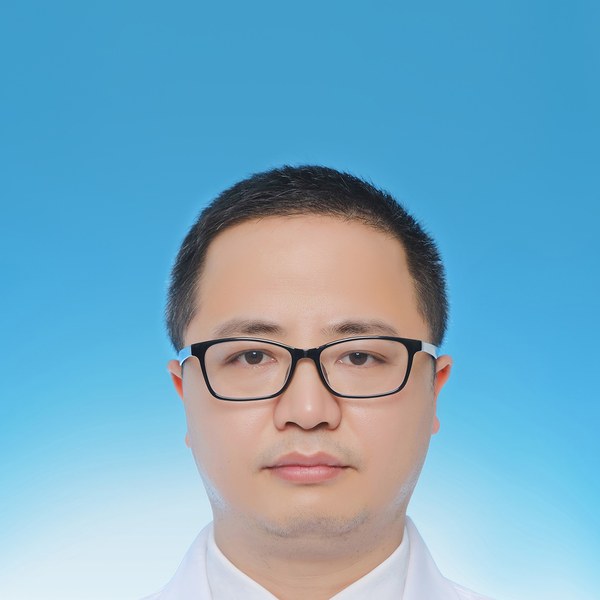
Ke He

Ke He (何锞)

Deputy Director & Head of Skin & Laser Aesthetics · Attending Physician, Licensed Aesthetic Attending · Lead Physician of This Site

Skin & laser aesthetics · matching a light source to a target · pigment risk in darker skin

Dr. Ke He is Deputy Director of the Plastic Surgery & Aesthetics Medical Center at Chongqing West District Hospital and head of its skin and laser aesthetic service — and she is the lead physician of this site. A core specialist formerly at the Plastic and Aesthetic Surgery Department of Xinqiao Hospital, affiliated with Army Medical University, she has worked on the clinical front line in skin laser and injectable aesthetics for more than 20 years, serving over ten thousand patients.

The judgement Dr. He applies on this subject is made before any device is named. She asks the patient to point at what bothers them, because a fingertip and a swept hand describe two different problems and lead to two different kinds of light source. She then examines the whole area rather than the complaint alone: skin tone and how it has behaved after previous injury or treatment, sun exposure in the preceding weeks, medicines that make skin react more strongly to light, and a history of cold sores. Where skin carries more pigment she treats a small test area and judges the response before committing a larger area, and she will decline treatment altogether when the finding is a lesion that has changed, because that is a diagnosis question rather than a light question. She regards a course that is stopped early because the target has already changed enough as a plan that worked.

Clinical focus

  • Reading a skin complaint as one target or a diffuse area before a source is chosen
  • Broadband courses for scattered sun damage and background redness, and their maintenance rhythm
  • Single-wavelength treatment of defined lesions and vessels, and the downtime it carries
  • Pigment-risk assessment in darker skin tones, and the test area before a full treatment
  • When to decline light treatment: a changing lesion, an active infection, recent sun

Academic roles & achievements

  • Member, Laser Medicine Group, Chinese Medical Association Plastic Surgery Branch
  • Member, Facial Rejuvenation Group, Chinese Medical Association Plastic Surgery Branch
  • Member, Chongqing Plastic Surgery Quality Control Center
  • Published 5 papers, holds 5 national patents, and introduced 2 new clinical techniques

A device is not a diagnosis

The commonest reason to stop a light-treatment plan is a spot that has changed. A mark that is new, growing, bleeding, itching or asymmetric is a question for examination and, where it is warranted, for a sample to be looked at — not for a light source, whichever one is available. Treating it with light delays the answer and can change how the mark looks before anyone has assessed it.
Shaoliang Wang

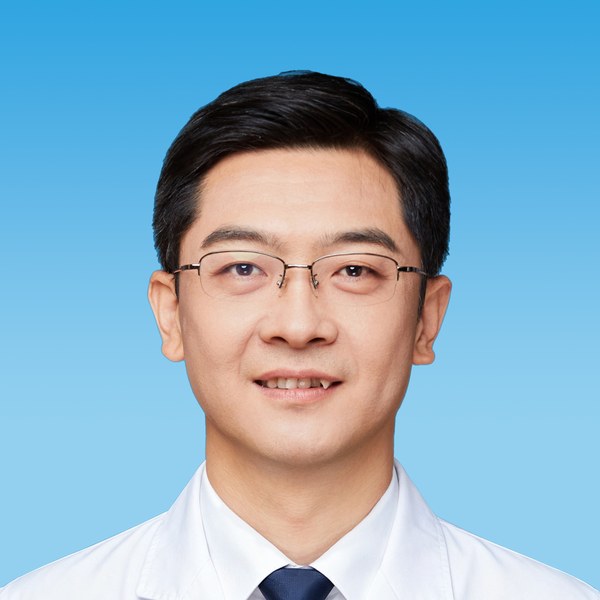
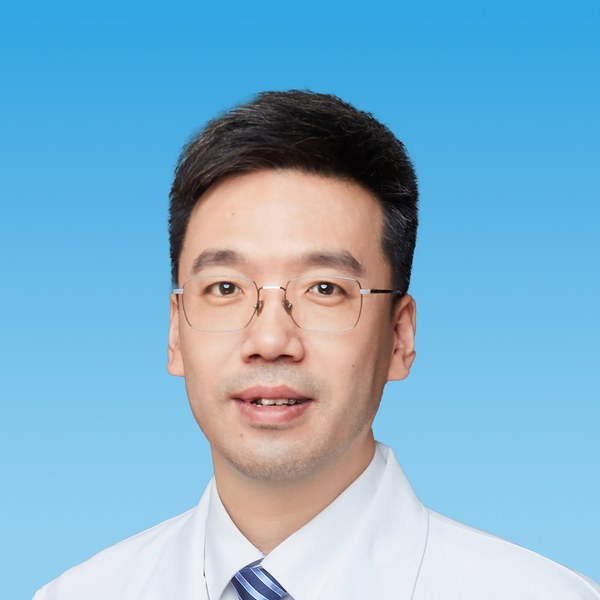
Shaoliang Wang (王韶亮)

Director, Plastic Surgery & Aesthetics Medical Center · Vice Chief Physician, Associate Professor, Doctor of Medicine

Center leadership and multidisciplinary case review

Dr. Shaoliang Wang is Director of the Plastic Surgery & Aesthetics Medical Center at Chongqing West District Hospital. Within the team he provides the surgical perspective and the tertiary-hospital backstop — the assessment when an operation is the honest answer, and the hospital-level care for the rare complication that needs it.

Within the team, Shaoliang Wang contributes to the shared assessment of cases on this site.

Clinical focus

  • Center leadership and multidisciplinary case review
  • Surgical assessment when an operation is the honest answer to descent or excess skin
  • Hospital-based care for the rare complication that needs theatre-level management
Tongchun Mao

Tongchun Mao (毛彤春)

Deputy Director & Head of Aesthetic Surgery · Vice Chief Physician, Licensed Aesthetic Attending

Aesthetic surgical assessment and refinement of contour and asymmetry

Dr. Tongchun Mao is an aesthetic surgeon within the Plastic Surgery & Aesthetics Medical Center at Chongqing West District Hospital. Within the team his role is refinement and honest referral: he is the person who says so when an operation will do better than an injectable or a device.

Within the team, Tongchun Mao contributes to the shared assessment of cases on this site.

Clinical focus

  • Aesthetic surgical assessment and refinement of contour and asymmetry
  • Honest referral when surgery outperforms a course of injections
  • Shared case planning within the four-physician team
Yongbo Jia

Yongbo Jia (贾勇波)

Deputy Director & Head of Dermatology · Vice Chief Physician, Licensed Aesthetic Attending

Medical skin assessment behind injectable treatment plans

Dr. Yongbo Jia is a dermatologist within the Plastic Surgery & Aesthetics Medical Center at Chongqing West District Hospital. Within the team his role is medical skin assessment — diagnosing and managing pigment and barrier conditions, and treating skin that a device or an injection has irritated.

Within the team, Yongbo Jia contributes to the shared assessment of cases on this site.

Clinical focus

  • Medical skin assessment behind injectable treatment plans
  • Diagnosis and management of pigment and barrier conditions
  • Dermatologic care of skin after irritation or a delayed reaction

Name the target before the light source

Arrange an assessment. We will examine whether your concern is one defined target or an area of mixed colour, explain what each light source would and would not change for it, and say plainly when neither is the right answer.

Contact the Team